Edinburgh Airport Reopens After Security AlertMorocco Defeats Scotland 1-0 in World Cup MatchTrain Driver Dies, Many Injured in Bedford Train CollisionElliot Anderson Becomes Key Player for England Football TeamAndy Burnham Wins Makerfield By-Election, Leadership Questions AriseLiberal Democrat MP Arrested on Suspicion of Assault
Top News
Concerns Over Uneven Application of UK Terrorism Laws
• 1 min read • 0 comments
In brief
UK courts and government are facing criticism for how they apply terrorism laws. This means pro-Palestine protesters are treated more harshly than some involved in violent far-right riots.
There are growing concerns that the UK government and courts are not applying terrorism laws equally. Some believe that certain protest groups are treated much more severely than others involved in violence.
For example, violent riots in Belfast, where people were burned out of their homes, fit the official definition of terrorism. However, government officials have not used this term for these actions.
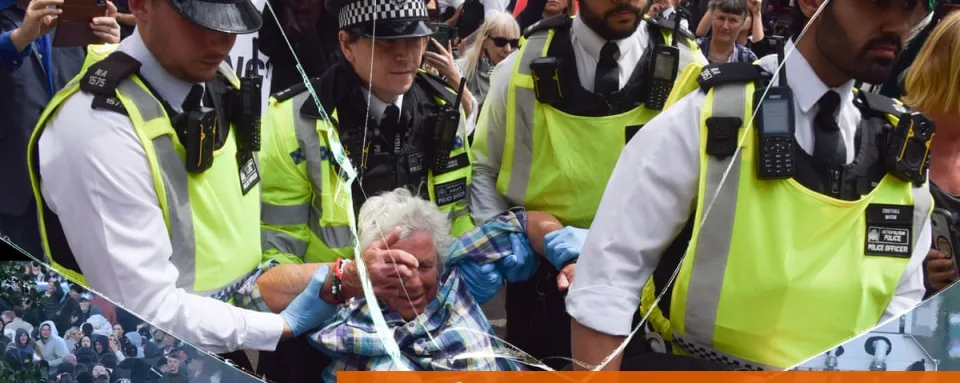
In contrast, pro-Palestine activists, even those mainly damaging property, are often charged with terrorism. A recent court ruling upheld a ban on one such group, making the definition of terrorism seem very broad.
The way sentences are given has also changed. What used to be seen as a protester's good intentions is now sometimes used to give them longer sentences. This means they cannot always explain their reasons to the court.
This situation leads to a feeling of unfairness. While some pro-Palestine activists face severe penalties, those who incite or participate in violent riots are often not charged with terrorism, or sometimes not charged at all.